Is Detailing Worth It? What Luxury Detailing Adds to Your Car Care Routine
A good car can still look tired. It happens slowly: a little road film around the rocker panels, light scratches near the door handles, sunscreen on the leather, brake dust that refuses to leave the wheel barrels, a windshield that hazes at night no matter how many times you wipe it. None of these things usually feel urgent. Then one day the car no longer has the crisp, well-kept presence it had when you first bought it.
That is where detailing earns its place.
Many owners treat detailing as an occasional indulgence, something reserved for exotic cars, collector vehicles, or the week before selling a lease return. In practice, professional detailing is less about vanity and more about controlled maintenance. Done properly, it protects expensive materials, slows cosmetic aging, improves daily driving comfort, and preserves resale value. The difference becomes especially obvious on luxury vehicles, where soft paint, delicate trim, premium leather, piano-black interior panels, open-pore wood, Alcantara, and large wheels all demand more than a quick wash.
The question is fair, though: is detailing worth it? The answer depends on the vehicle, how it is used, where it is parked, who performs the work, and what level of result you expect. A commuter car that lives outside in a coastal city has different needs than a weekend Porsche kept under a cover. A three-row SUV used by children and dogs needs a different approach than a garage-kept sedan with 4,000 miles a year.
What matters is understanding what detailing actually adds to a car care routine, and where the money goes.
Car wash vs detailing: the difference is not just time
The phrase “car wash vs detailing” often gets reduced to a simple comparison: a wash is basic, detailing is thorough. That is true, but incomplete. The real difference is intent.
A car wash removes visible dirt. Detailing evaluates the vehicle’s surfaces, cleans them with suitable chemistry, corrects or improves defects where appropriate, and protects the materials afterward. A wash is a reset. A detail is a controlled process.
A typical automatic wash is designed for speed and volume. Even a good hand wash is usually focused on exterior cleanliness: rinse, foam, contact wash, rinse again, dry, perhaps dress the tires. That can be perfectly adequate for routine upkeep if the technique is safe. But it will not remove bonded contamination from paint, clean embedded grime from leather grain, polish oxidized exhaust tips, treat water spots, deep-clean floor mats, or protect trim from UV damage.
Detailing goes deeper because the problems are different. Road tar, iron particles from brake dust, mineral deposits from hard water, tree sap, bug remains, sunscreen, dye transfer from denim, paint protection film near me and oily residues all bond to surfaces in different ways. One product or one mitt cannot address all of them safely. A professional detailer chooses methods based on material, condition, and risk.
This matters more on expensive cars because the finishes are often less forgiving. Gloss-black pillars scratch if you look at them wrong. Soft clear coat can mar from a dirty drying towel. Matte trim stains when harsh chemicals dry on it. Perforated leather traps liquids and residue. Touchscreens and Click for info digital clusters can be damaged by aggressive cleaners. The cost of replacing a damaged trim piece or correcting careless polishing can exceed the cost of a proper detail.
A car wash makes a vehicle look better today. A proper detail aims to keep it looking better over time.
What luxury detailing actually includes
Luxury detailing is not just a more expensive wash with scented products. The better shops follow a systematic inspection and service process. They look for paint defects, previous repair work, staining, overspray, water spotting, leather wear, wheel damage, film edges, ceramic coating condition, and signs of improper past maintenance.
On the exterior, the work usually begins with a pre-rinse and chemical pre-wash to loosen grime before touching the paint. That step reduces wash-induced scratching. Wheels and tires are treated separately because brake dust is abrasive and chemically stubborn. A quality detailer will use separate brushes, towels, and buckets for wheels rather than carrying contamination onto painted panels.
After the wash, the paint may be decontaminated chemically and mechanically. Iron removers dissolve metallic fallout, while clay or synthetic clay media remove bonded contaminants that survive washing. If you run clean fingertips across neglected paint after a wash, it may still feel rough. That roughness is contamination, and wax or sealant applied over it will not bond as well.
Paint correction is where detailing becomes highly skill-dependent. Correction means polishing the clear coat to reduce swirls, haze, oxidation, and light scratches. It does not mean magically removing every defect without consequence. Clear coat is finite. A competent detailer measures risk, chooses the least aggressive method that achieves the desired improvement, and explains what can safely be corrected. On many daily driven luxury cars, a single-stage polish that improves gloss by 60 to 80 percent is wiser than chasing perfection and removing more clear coat than necessary.
Interior detailing involves more than vacuuming and wiping surfaces. Leather needs pH-appropriate cleaning, careful agitation, and protection that does not leave a greasy finish. Carpets and mats may need extraction, but overwetting can create odor or electronic risk if done carelessly. Vents, seams, cupholders, seat rails, steering wheels, pedals, and control knobs often hold the grime that quick cleanups miss. On luxury interiors, the best work is often subtle. The cabin should look crisp and feel clean, not shiny, wet, or perfumed.
Protection is the final layer. Depending on budget and use, that may mean a wax, polymer sealant, ceramic spray, professional ceramic coating, leather protectant, fabric guard, glass coating, or trim coating. The product matters, but preparation matters more. A premium coating applied over contaminated or poorly polished paint is a waste of money.
The benefits you notice immediately
The first benefit is obvious: the car looks better. Gloss returns, metallic paint pops, wheels look sharper, glass clears up, and the interior feels more pleasant. That may sound cosmetic, but appearance influences how people treat a vehicle. Owners tend to maintain a car better after it has been properly reset. Passengers are less careless in a clean cabin. Technicians notice when a vehicle is clearly cared for. Presentation has practical consequences.
Visibility is another immediate gain. Properly cleaned glass reduces glare, especially at night or during rain. Interior windshield haze is often caused by plastics off-gassing, smoking residue, skin oils, and cleaning product buildup. A standard wipe can smear it around. A detailer who knows glass will use the right towels, cleaner, and finishing method. It is a small thing until you drive into low sun or oncoming headlights.
Touch points improve dramatically. Steering wheels, shift paddles, armrests, seat bolsters, infotainment controls, and door pulls collect body oils and lotions. On some cars, the steering wheel turns glossy not because the leather is meant to shine, but because residue has filled the grain. Cleaning those areas properly restores grip and texture. That matters in a high-end car because tactile quality is part of what you paid for.
Odor control is another benefit, although it is often misunderstood. A detailer cannot permanently fix a moisture leak, mold issue, or smoke contamination with a fragrance. They can remove many odor sources by cleaning fabric, carpets, vents, mats, and interior surfaces. The best result is not a car that smells like “new car” spray. It is a car that smells neutral.
The benefits that show up months later
The longer-term professional detailing benefits are less dramatic on day one, but more valuable. Paint protection reduces how strongly grime bonds to the surface, making future washes safer and faster. UV protection helps slow fading on trim and interior materials. Regular leather cleaning removes abrasive dirt before it wears through coatings. Wheel protection makes brake dust easier to remove, which is especially useful on performance cars with aggressive pads.
Contamination control also matters. Bird droppings, bug acids, tree sap, and hard water minerals can etch clear coat. Some damage begins quickly, especially in heat. Protection does not make paint invincible, but it gives you more time to remove contaminants before they leave permanent marks.
There is also the issue of cumulative wash damage. Many cars do not look dull because of age. They look dull because they have been washed poorly for years. Dirty sponges, automatic brush washes, low-quality towels, dry wiping, and harsh chemicals create swirls and haze. A detailer can correct much of that damage, but prevention is cheaper than repeated correction. Once paint has been polished, maintaining it with safer washing methods preserves the result.
Resale value is difficult to quantify exactly because condition is only one factor among mileage, history, specification, market demand, and mechanical condition. Still, cosmetic condition influences buyer confidence. A buyer looking at two similar luxury SUVs will notice cloudy headlights, stained seats, dull paint, crusted controls, and neglected wheels. A clean, well-maintained car photographs better, shows better, and gives fewer reasons to negotiate downward.
For leased vehicles, detailing before inspection can also make sense, though it should be approached carefully. A detail cannot hide major damage, and it should not be used to disguise issues dishonestly. But removing stains, cleaning wheels, polishing light scuffs, and presenting the vehicle properly may reduce avoidable chargebacks or disputes.
When detailing is worth it, and when it is not
Detailing is worth it when the service matches the car’s condition and your goals. It is not always worth buying the most expensive package. A new vehicle with excellent paint may need careful decontamination and protection, not heavy polishing. A ten-year-old daily driver may benefit more from interior restoration and a durable sealant than a multi-step show-car correction. A car going up for sale in two weeks has different priorities than a car you plan to keep for another decade.
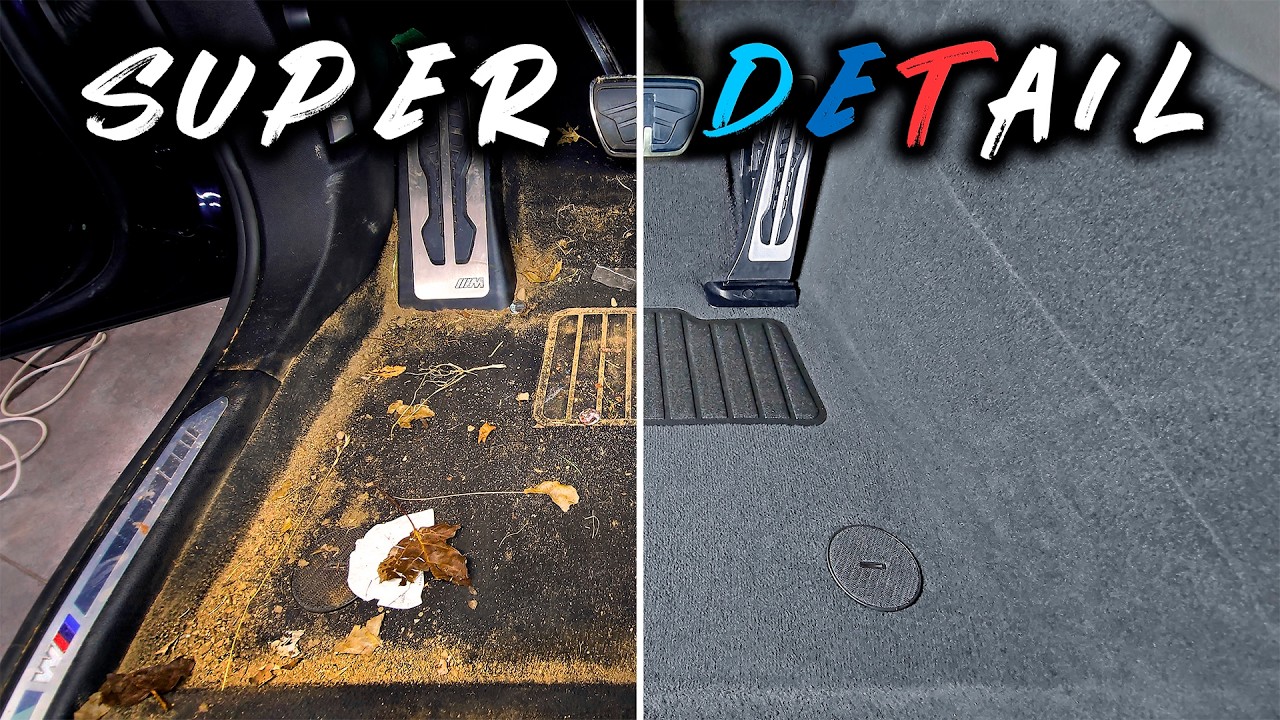
The best detailing service is the one that solves the right problem without overselling the wrong one.
There are times when detailing has limited value. If a vehicle has failing clear coat, no polish will restore it permanently. If leather is cracked through the coating, cleaning may improve appearance but will not reverse structural wear. If carpets are contaminated by floodwater, milk, or long-term mold, the solution may require replacement or specialized remediation. If paint is covered in deep scratches that catch a fingernail, correction may reduce their visibility but not remove them safely.
Good detailers say no, or at least say “not that way.” That honesty is worth paying for. The worst outcomes often come from chasing unrealistic promises: permanent ceramic coatings, scratch removal without paint measurements, “full details” completed in two hours, leather restoration performed with shiny dressing, or engine bays blasted with pressure water around sensitive electronics.
A realistic detail improves, protects, and preserves. It does not rewrite physics.
How often should a luxury car be detailed?
Frequency depends on exposure. A garage-kept coupe driven on weekends may only need a full detail once a year, with careful maintenance washes in between. A black luxury sedan parked outside under trees may need quarterly attention. A family SUV with light leather and heavy use may need interior service every three to six months, even if the exterior still looks acceptable.
For many owners, a practical rhythm looks like this: wash every one to three weeks depending on use, refresh exterior protection every three to six months if using sealants or sprays, perform a deeper interior cleaning two to four times per year, and schedule polishing only when defects justify it. Ceramic-coated cars still need washing and occasional decontamination. The coating reduces maintenance, but it does not eliminate it.
Climate changes the schedule. In snowy regions, road salt attacks wheels, suspension components, carpets, and underbody areas. Frequent winter rinsing and spring decontamination are important. In hot climates, UV exposure punishes leather, dashboards, trim, and paint. In coastal regions, salt air and humidity accelerate corrosion and leave residue. In urban areas, industrial fallout and brake dust settle on paint and glass. A vehicle’s environment matters as much as its badge.
Color matters too. Black and dark blue paint show defects quickly. White and silver hide swirls better but reveal iron contamination and tar. Matte paint requires special care because polishing changes sheen. Satin wraps and paint protection film have their own cleaning and protection requirements. A one-size package rarely serves all finishes equally well.
The cost question: what are you really paying for?
Detailing prices vary widely by region, vehicle size, condition, and service level. A basic maintenance detail may cost a few hundred dollars. A thorough interior and exterior detail on a luxury SUV can run several hundred more. Paint correction and ceramic coating can move into four figures, especially when the work involves many hours of machine polishing, careful prep, and professional-grade materials.
The labor is the real cost. A proper decontamination wash, interior detail, light polish, and protection package can take most of a day. A multi-stage paint correction may take two or three days. Large SUVs, intricate wheels, neglected interiors, pet hair, water spots, and soft paint all add time.
Owners sometimes compare that price to a $25 wash and see a huge gap. But those services are not trying to accomplish the same thing. A low-cost wash is a convenience service. Detailing is skilled labor applied to delicate surfaces. The price reflects time, judgment, products, equipment, insurance, training, and the detailer’s willingness to assume risk around an expensive asset.
That does not mean expensive always equals better. Some high-priced shops sell ambiance more than skill. Some mobile detailers deliver excellent work with lower overhead. The estimate should make sense. If a shop quotes a ceramic coating without inspecting the paint, explaining prep, or discussing maintenance, be cautious. If every vehicle gets the same package, be cautious. If the detailer cannot explain the difference between cleaning, polishing, and protecting, keep looking.
What separates a good detail from an average one
The difference often shows in the small decisions. A good detailer tests before committing. They know when to use steam and when not to. They tape sensitive trim before polishing. They inspect paint under proper lighting rather than relying on showroom glow. They clean residue out of seams after polishing. They do not leave dressing sling on tires or greasy film on pedals. They understand that luxury car care requires restraint.
The conversation before the work also matters. A professional should ask how the car is used, where it is stored, what bothers you most, whether it has been coated or repainted, and what result you expect. They should explain what is realistic. A black car with years of automatic wash damage may look dramatically better after one polishing step, but deeper random scratches may remain. That is not failure. That is responsible correction.
Here is a concise way to evaluate a provider before booking:
- Ask what is included in the wash, decontamination, polishing, and protection stages.
- Look for real photos of similar vehicles, preferably under direct inspection lighting.
- Confirm they use separate tools and towels for wheels, paint, glass, and interiors.
- Discuss risk areas such as soft paint, matte trim, piano-black panels, and delicate leather.
- Make sure maintenance advice is part of the service, not an afterthought.
That short conversation reveals a lot. Skilled detailers are usually comfortable explaining process. Vague answers often signal vague workmanship.
Ceramic coating, wax, sealant, and paint protection film
Protection choices create confusion because marketing language tends to outrun reality. Wax gives warmth and gloss but usually lasts weeks to a couple of months, depending on weather and washing. Synthetic sealants often last longer, commonly a few months. Ceramic sprays sit somewhere in between convenience and durability. Professional ceramic coatings can last years with proper prep and maintenance, but they are not force fields.
Ceramic coatings add chemical resistance, hydrophobic behavior, easier washing, and improved gloss. They do not prevent rock chips. They do not stop all scratches. They do not mean the car can be neglected. Their value is strongest for owners who wash properly and want easier maintenance over time.
Paint protection film, often called PPF, addresses a different problem. It helps protect against chips and abrasion on high-impact areas such as front bumpers, hoods, mirrors, rocker panels, and door cups. It costs more than coatings and can still stain or mark, but on expensive cars or highway-driven vehicles it can be a smart investment. Many owners combine PPF on impact zones with ceramic coating over paint and film for easier cleaning.
The right choice depends on risk. A garage-kept grand tourer used for Sunday drives may not need full-body film. A low-slung performance car driven on highways might benefit from front-end PPF more than a top-tier coating. A daily driver parked outdoors may benefit from a durable coating and regular maintenance rather than chasing perfect paint.
Interior luxury: the part owners underestimate
Many owners obsess over exterior gloss and neglect the cabin, even though that is where they spend the most time. Luxury interiors are expensive to repair and easy to age prematurely. Light leather shows dye transfer. Ventilated seats trap debris in perforations. Alcantara mats down when oils accumulate. Gloss-black trim scratches from dry dusting. Touchscreens collect fingerprints and can develop fine marring from rough towels.
Proper interior detailing protects both appearance and feel. Leather in most modern cars has a protective coating, so the goal is usually to clean that coating and preserve flexibility, not feed the hide with heavy conditioners. Over-conditioning can leave residue that attracts more dirt. Alcantara and microsuede need gentle cleaning, low moisture, and careful brushing. Wood veneers and metal trim should be cleaned lightly, not scrubbed like plastic.
The driver’s seat bolster is a good example. Every entry and exit drags clothing across the same area. Dirt acts like fine sandpaper. On a cream or saddle interior, grime may look like gradual darkening. If cleaned early, it often comes back beautifully. If ignored for years, the coating wears through and the color itself abrades. At that point, detailing can clean it, but restoration requires repair and refinishing.
A professional interior detail is especially valuable before problems become visible. Waiting until leather looks dirty usually means abrasive soil has already been working on the surface.
The case for maintenance detailing
The most satisfied owners rarely wait until the car is filthy. They use detailing as maintenance, not rescue. After a proper initial detail, shorter maintenance appointments keep the vehicle in shape. These visits cost less than major corrections because the detailer is preserving work already done.
Maintenance detailing also reduces the temptation to use harsh quick fixes. Owners under time pressure reach for household cleaners, old bath towels, gas-station squeegees, or drive-through washes. Those choices solve the immediate annoyance and create long-term damage. A planned maintenance routine keeps the car presentable without emergency scrubbing.
For enthusiasts, there is another benefit: you get to know the vehicle. During careful washing and detailing, small issues appear early. A nail in a tire, a loose trim clip, sap beginning to harden, a chip starting to rust, dye transfer on a seat, or water collecting where it should not. Detailing creates inspection time, and inspection prevents surprises.
What you can do yourself, and what to leave to a professional
Not every part of car care needs to be outsourced. Many owners can safely handle routine washes, interior wipe-downs, glass cleaning, and quick protection top-ups if they use quality tools and proper technique. A pressure washer, foam pre-wash, pH-balanced shampoo, microfiber wash mitts, dedicated drying towels, and a few interior-safe cleaners can cover a lot of ground.
The line shifts when correction, delicate materials, or expensive mistakes enter the picture. Machine polishing looks simple in videos, but paint systems vary. Edges, body lines, repainted panels, and soft clear coat can create trouble quickly. Steam cleaning around electronics, aggressive stain removal, odor treatments, and ceramic coating prep also reward experience.
A sensible division of labor is to let a professional perform the initial deep detail, correction, and protection, then maintain the result between visits. That gives you a clean baseline. It also lets the detailer recommend wash methods and products that fit the protection on the car. If the vehicle has ceramic coating, for example, you do not want to use heavy wax shampoos or abrasive cleaners that interfere with coating behavior.
Red flags when choosing a detailing service
The detailing industry includes excellent craftspeople, casual operators, and everything between. A polished social media page is not enough. Look for evidence of process, consistency, and honesty. Be especially careful with anyone promising permanent results or using fear as a sales tool.
A few warning signs deserve attention:
- They quote complex correction or coating work without seeing the vehicle or asking for detailed photos.
- They promise to remove every scratch, regardless of depth or paint condition.
- They use the same package description for every car, from compact sedans to hand-built luxury models.
- They cannot explain how long the work will take or why.
- They leave interiors shiny, slippery, or heavily fragranced instead of clean and natural.
Trust is central because the detailer touches nearly every visible surface of the vehicle. The wrong towel, chemical, pad, or technique can create damage that is expensive to reverse.
So, is detailing worth it?
For a luxury vehicle, yes, detailing is usually worth it when it is performed by a skilled professional and matched to real needs. It protects the investment, improves the driving experience, and slows the visible aging that makes even expensive cars feel neglected. It is not magic, and it is not always necessary at the highest package level. The value comes from the right work at the right time.
If your car is new, detailing can establish protection before damage accumulates. If it is a few years old, detailing can restore clarity, remove embedded grime, and reset the maintenance standard. If you plan to sell, it can help the car present honestly and strongly. If you plan to keep it, regular detailing preserves the details that made the vehicle special in the first place.
The best detailing service does not simply make a car glossy for pickup photos. It leaves the paint easier to wash, the interior healthier to touch, the glass clearer, the wheels easier to maintain, and the owner better informed. That is the difference between a cosmetic splurge and a professional car care routine.
A quick wash has its place. So does doing things yourself on a quiet Saturday morning. But when the goal is to preserve a fine automobile, not just rinse off last week’s dust, detailing adds skill, judgment, and protection that ordinary washing cannot provide. That is where the value lies.
Phone:
(213) 376-3889
Website:
ceramiccoatpros.com/ceramic-coating-los-angeles-ca/
Ceramic Coat Pros of Hollywood
Santa Monica,
CA
US